


The Barrier Challenge: How to Ensure Water and Grease Resistance in Kraft Paperware Without Compromising Compostability
Ensuring Compostability in Water-Resistant Kraft Paperware
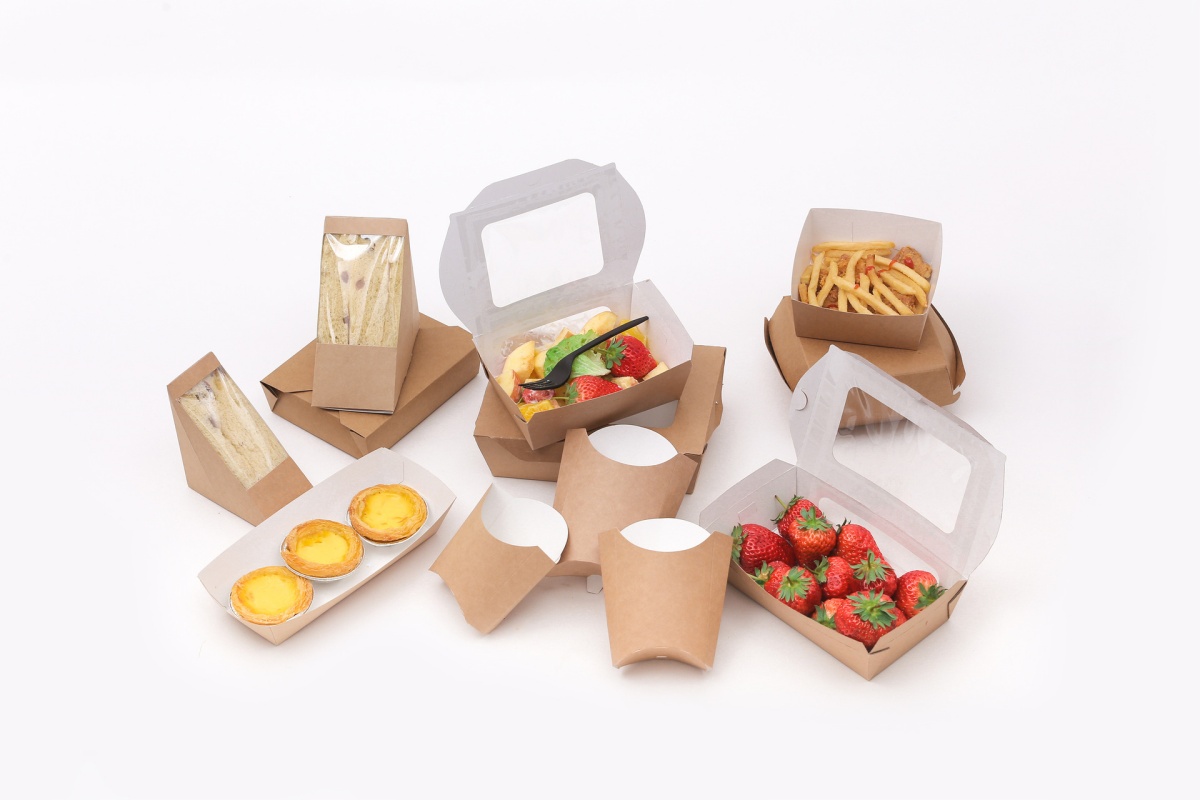
The demand for fiber-based packaging has skyrocketed, positioning Kraft paperware as a premium choice for sustainable foodservice. However, the inherent challenge lies in making a paper product resistant to hot oil and moisture—critical for take-out—without resorting to non-compostable plastic coatings like PE (polyethylene). This article details the technical solutions we employ to achieve superior barrier performance while maintaining stringent EN 13432 and BPI certification.
1. The Technical Dilemma: Replacing Traditional PE Liners
Traditional paper containers relied on a thin PE liner for grease and moisture proofing. While highly effective, this composite material renders the paper cup or container unrecyclable and non-compostable in most facilities.
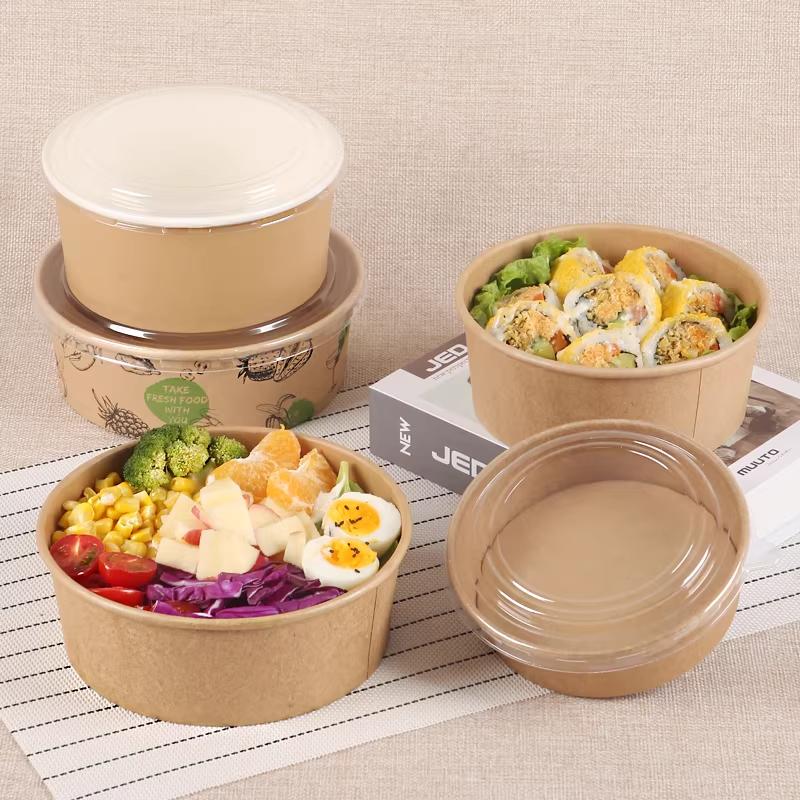
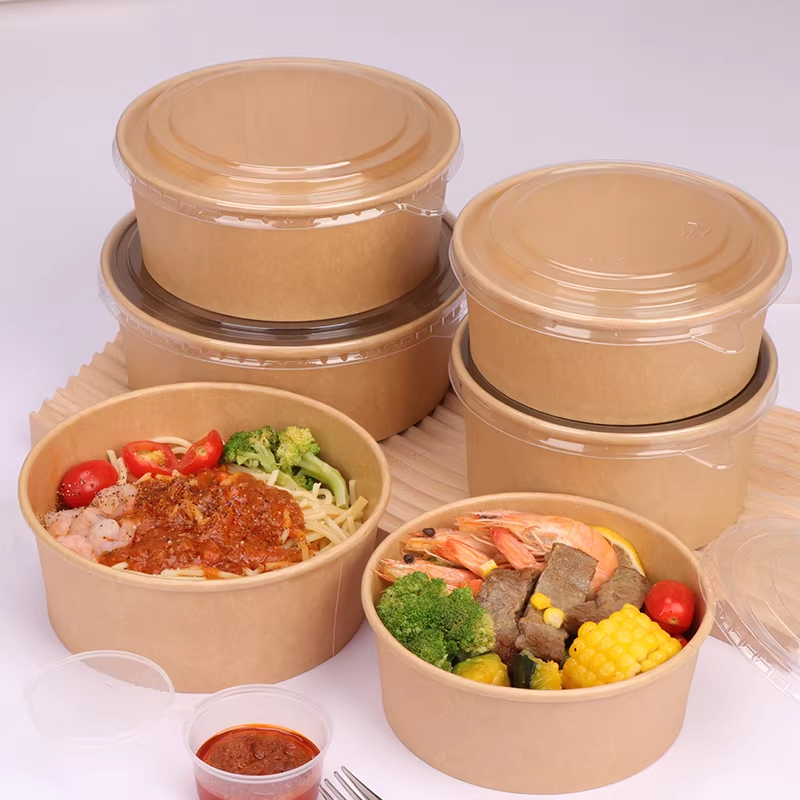
The Solution: Bio-Based Barrier Technology: We utilize advanced, proprietary bio-polymer linings derived from natural sources. These linings are specifically engineered to have a lower melting point and a molecular structure that allows them to undergo biological degradation under industrial composting conditions.
Performance Metrics: Our certified linings achieve a grease resistance rating of up to KIT Level 7 (a standard measure of paper repellency), ensuring the paper structure remains intact even when exposed to 90°C hot oil for periods up to 4 hours.
2. Certification Validation: The Key to B2B Confidence
Compliance is guaranteed not by our claim, but by third-party testing that validates the entire assembly (paper + liner) is compostable.
EN 13432 Compliance
This European standard requires that 90% of the product breaks down into CO2, water, and biomass within 6 months in an industrial facility. Our bio-liner formulation is specifically designed to meet this timeline, unlike some generic bio-plastics which may take longer.
FSC Certification
Beyond the end-of-life, the Kraft paper itself is sourced from sustainably managed forests, verified by the Forest Stewardship Council (FSC) certification. This ensures the entire lifecycle of the paper element is environmentally responsible.
Risk Mitigation
By sourcing dual-certified products (FSC for paper, EN 13432/BPI for the final product), B2B buyers mitigate the risk of importing non-compliant packaging into regions with strict environmental regulations (e.g., specific EU member states).
3. Application-Specific Barrier Levels
Not all Kraft paperware requires the same level of barrier protection. We segment our products based on the intended food application.
| Application Scenario | Recommended Barrier Level | Material Solution |
|---|---|---|
| Hot Coffee Cups | High Moisture Barrier | Thin, extruded PLA-based bio-liner. |
| Hot Meal Boxes | High Grease Barrier | Thicker, proprietary plant-based dispersion coating. |
| Cold Salads/Sandwiches | Low/Medium Barrier | Simple wax or internal moisture-proofing additive. |
4. Final Product Testing and Quality Control
To guarantee performance consistency, every batch is subjected to rigorous internal testing.
Leak Testing
We conduct a timed water hold test where the paperware is filled with 95°C water. The product must remain leak-free for a minimum of 60 minutes to pass our quality gate for hot liquids.
Structural Integrity
We test the paper's Wet Strength—its resistance to tearing when wet—to ensure the base material does not fail prematurely due to steam or condensation during transport. Our premium Kraftware shows a 30% higher wet strength than standard paperboard.
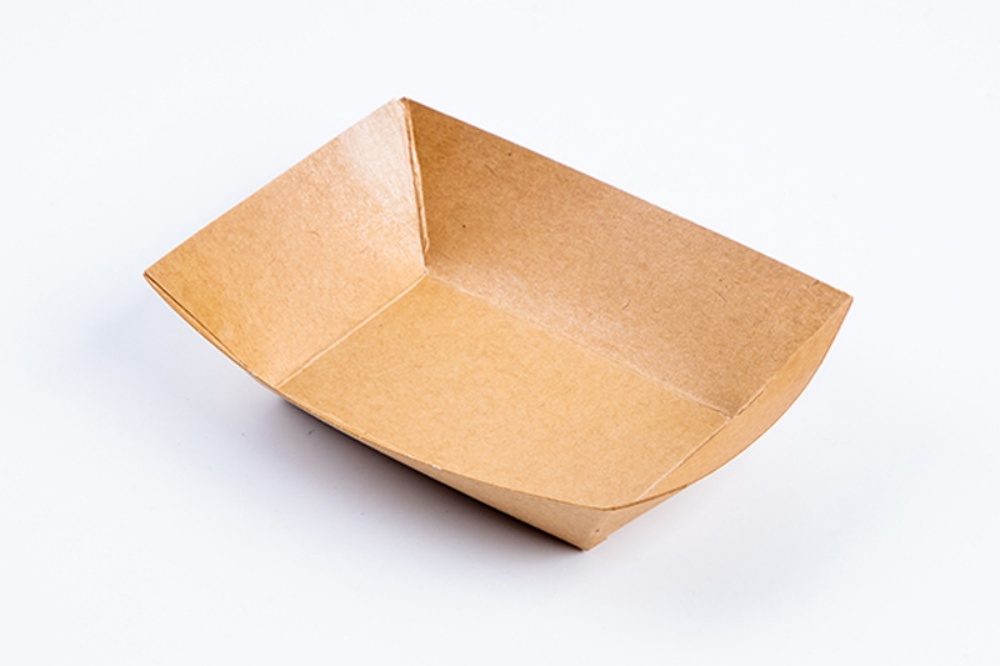
In summary, the challenge of creating water and grease-resistant Kraft paperware without compromising compostability is met through a combination of advanced bio-material science, rigorous third-party certification, and application-specific engineering. This multi-faceted approach ensures that sustainable packaging performs reliably in real-world foodservice scenarios while meeting the highest environmental standards.